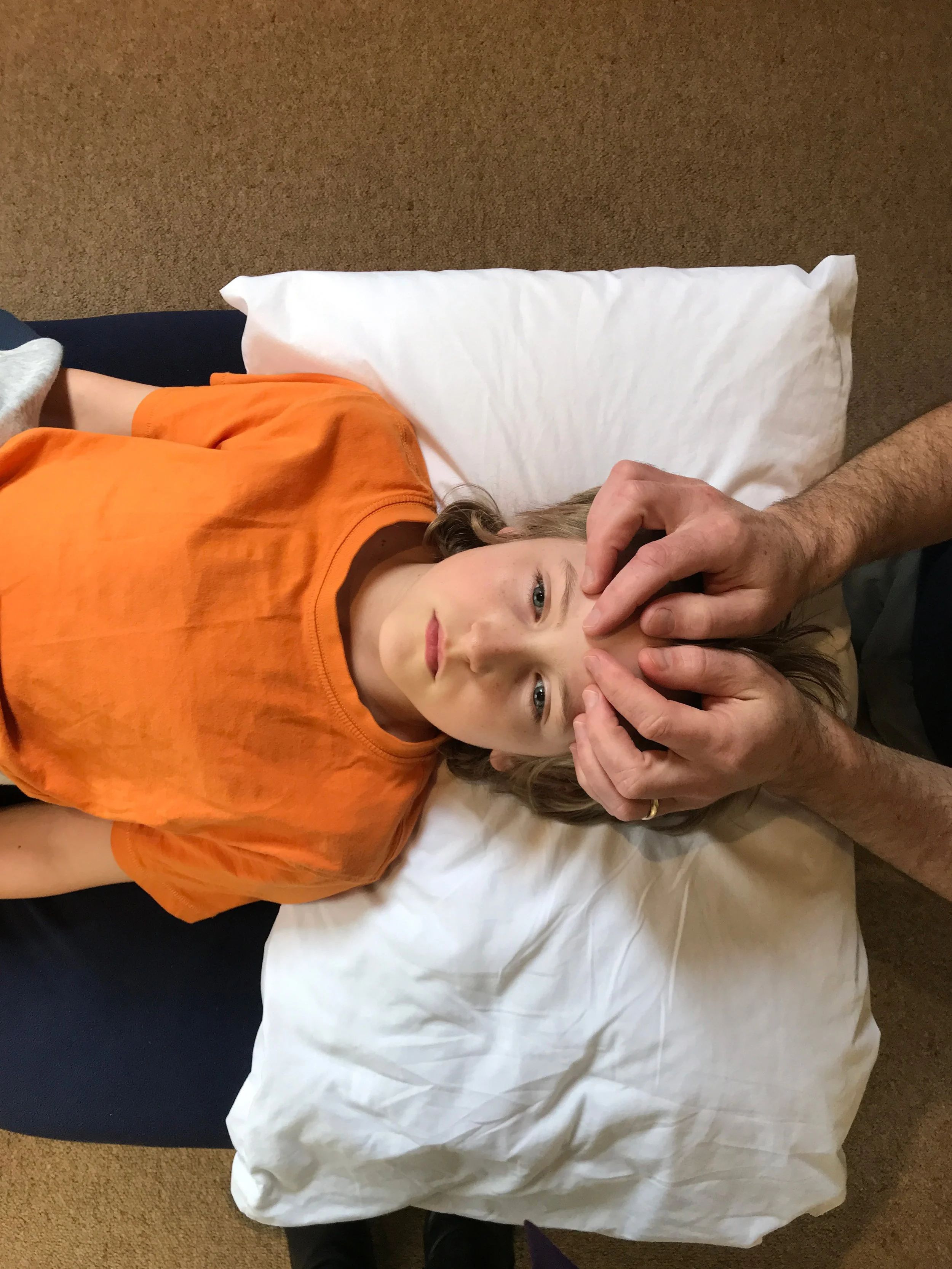
Face-to-Face CourseAn Osteopathic Approach to School-Aged Kids
with Lynsey & Jamie Taylor
Age Focus: 6-12 Years
28-29 Nov 2026 • 9am-4pm each day • Melbourne Marriott HotelThis paediatric-focused seminar explores neurodivergence, retained primitive reflexes, concussion management, musculoskeletal conditions, and functional neurological disorder (FND) in children aged 6–12 years. The course integrates current research, osteopathic principles, and practical clinical applications to support practitioners working with neurodivergent and medically complex children.
This course will help you:
Understand neurodivergence and apply practical clinical support strategies
Assess retained primitive reflexes and implement developmental exercise programs
Recognise and manage paediatric concussion within safe collaborative care
Apply osteopathic approaches to common growth-related musculoskeletal conditions
Identify and support children with Functional Neurological Disorder (FND)
Integrate paediatric assessment, treatment planning, and interdisciplinary referral pathways

CurriculumWhat we’ll cover
Session 1Understanding Neurodivergence in Clinical Practice
Covers neurodivergence terminology, common conditions (ODD, PDA, ARFID), sensory processing differences, mood regulation, and strategies for supporting children, families, and referral pathways.
Session 2Primitive Reflexes & Neurodevelopment
Explores retained reflexes (MORO, TLR, ATNR, Gallant), practical assessment, exercise-based interventions, motor program adaptations, and safe support for neurodivergent children.
Session 3Concussion in Children
Paediatric concussion definitions, assessment tools, red flags, referral pathways, and osteopathic techniques including upper cervical indirect, vagal balancing, and rib complex techniques.
Session 4Osteopathic Management of Chondritis & Lower Limb Dysfunction
Covers assessment and management of chondritis, Sever’s disease, Osgood-Schlatter, gait, lower limb function, osteopathic techniques, case sequencing, home advice, and return-to-activity planning.
Session 5Osteopathic Management of Functional Neurological Disorder (FND)
FND assessment, stress physiology, co-existing neurodivergence, osteopathic regulation-based care, cranial base treatment, autonomic balancing, developmental exercises, co-regulation, family communication, and interdisciplinary collaboration.
Session 6Integrated Paediatric Clinical Application & Case Workshops
Brings together neurodivergence, reflexes, concussion, chondritis, and FND into clinical reasoning with case workshops, treatment planning, session sequencing, referral pathways, and family engagement.
Our VenueMelbourne Marriott Hotel
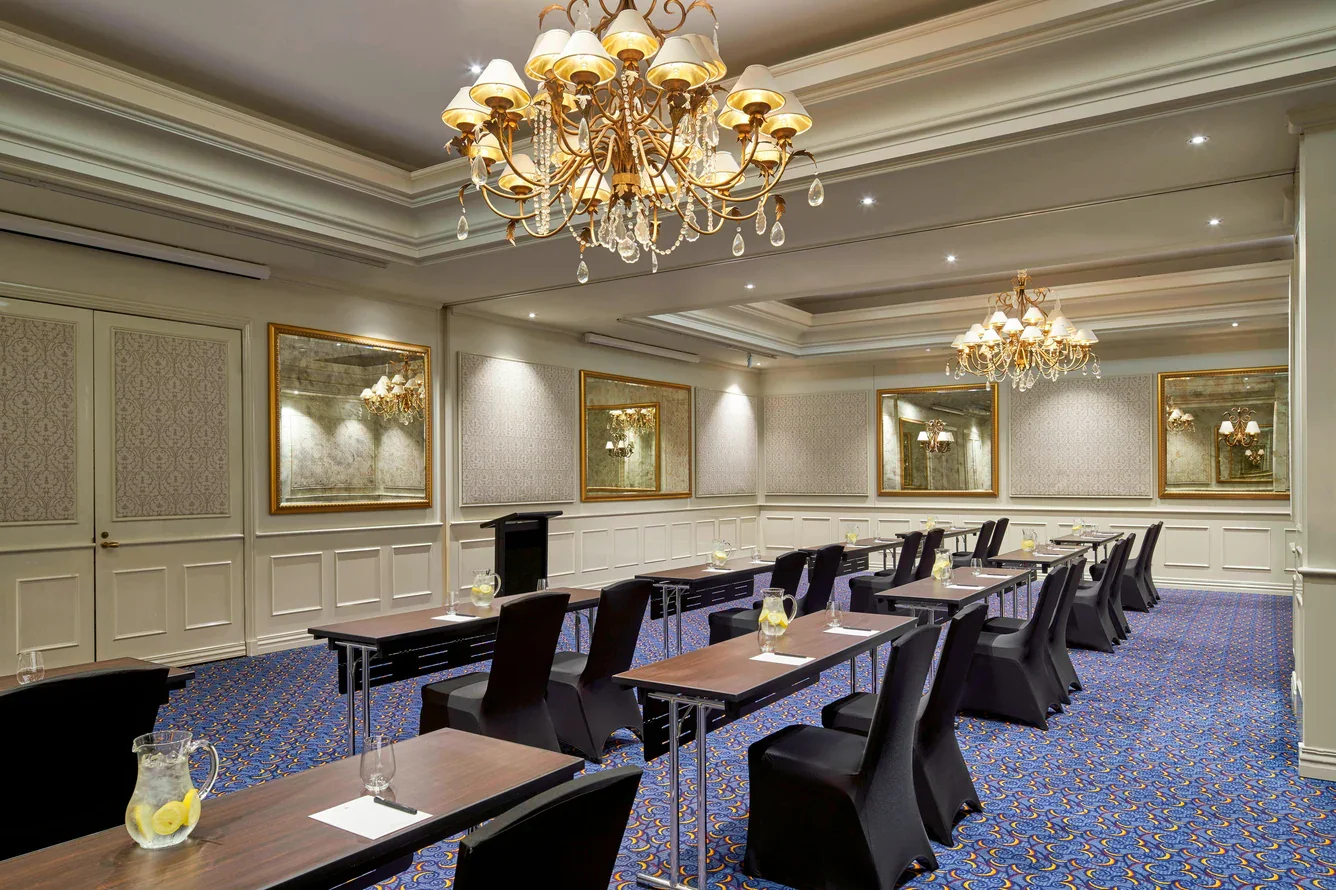
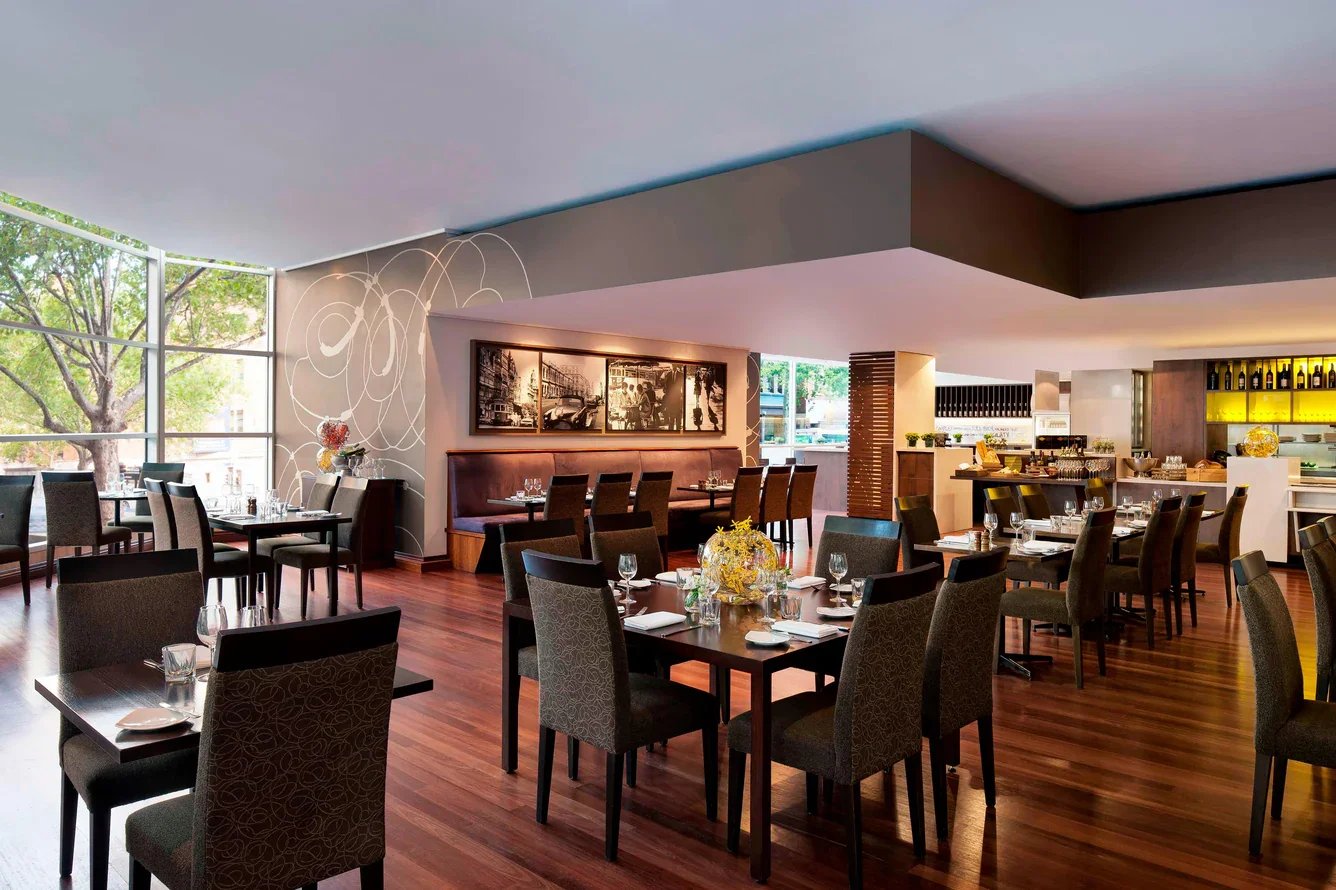
The Venue
Set in the heart of Melbourne, the Melbourne Marriott Hotel offers a prestigious and refined 5-star setting for this course. Its reputation for excellence provides an inspiring backdrop for learning and connection.
Delegate Inclusions
Your course package includes a full delegate experience, with morning tea, lunch, and afternoon tea provided.
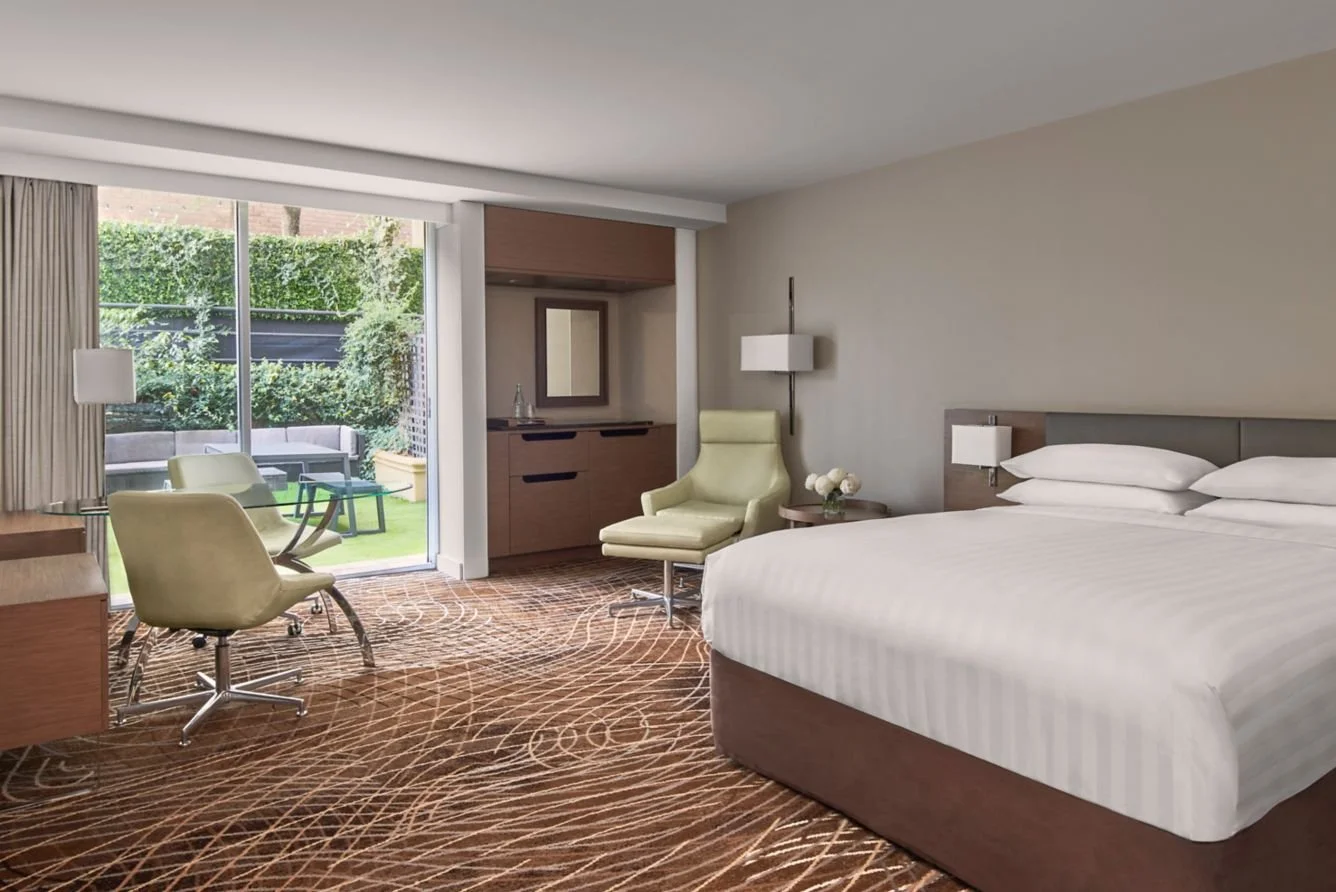
Accommodation options
Preferential accommodation rates have been arranged for local, interstate and international attendees, should you wish to stay on-site.
about the presenters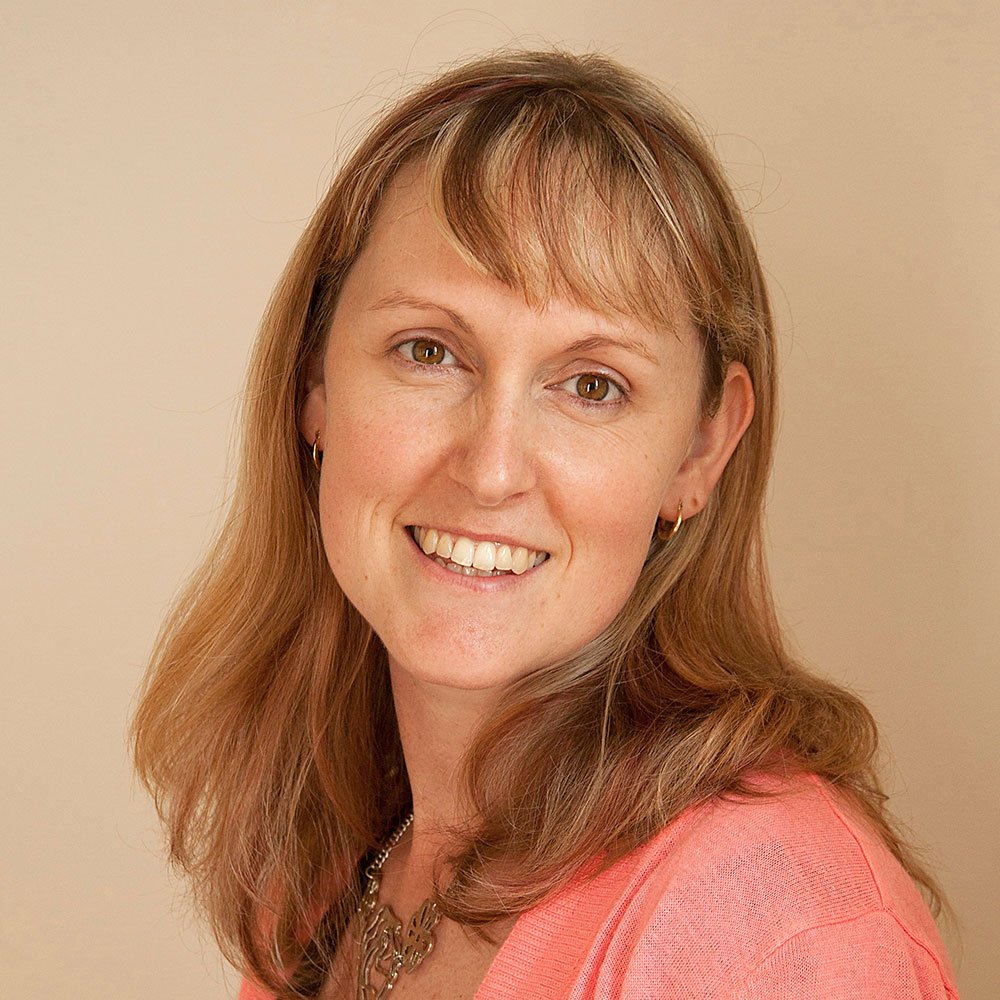
Lynsey Taylor
Lynsey graduated as an Occupational Therapist in 2004 in the UK. She is married to Jamie and together they have 2 boys. Lynsey works in private practice with learning needs and developmentally delayed children in the office and school setting. She trains teachers and resources them to work with these children. She largely utilises a school based program called Smart moves. She utilises the reflex assessment, developmental assessment tools and exercise, movement program on a daily basis. She has also taught post-graduate level seminars in Australia and New Zealand for 5 years.

Jamie Taylor
Jamie Taylor was born in Palmerston North, Manawatu, New Zealand. He trained at the European School of Osteopathy, (ESO) in Maidstone, England, 1990-1994.
During his final year he began to enjoy working with newborns and pregnant mother’s. He very quickly began to see the importance of taking the trauma out of childbirth for mothers and postpartum distress in babies. When he graduated he worked in London at the Osteopathic Centre for children where this conviction grew. In 1997 he began assisting on the undergraduate Osteopathic technique classes at the ESO and clinical supervision in the undergraduate children's clinic, where he stayed until he moved back to NZ in 2005. He moved back to New Zealand in November 2005 after completing his masters in Osteopathy.
Jamie’s practice is predominantly focused on babies and pregnancy and postnatal mothers.
Regulation: Jamie Taylor is a member of the register of Osteopaths in New Zealand and the society of Osteopaths New Zealand.
Lynsey and Jamie have a pragmatic, clinically informed, research based yet informal, practical and natural presentation + approach to teaching. In this course, they will integrate standard paediatric manual therapy with movement and exercises specifically tailored for integrating motor function and integrating primitive reflexes to allow the course participants to be able to utilise the knowledge and skills presented straight away in their clinic environment.
Why take this courseThis course will help you to:
Develop clear understanding of neurodivergence and apply appropriate terminology and strengths-based communication in clinical practice
Identify appropriate referral pathways and work collaboratively with other health professionals when managing complex paediatric presentations
Apply practical clinical strategies to support neurodivergent children, including behavioural, sensory, and regulation-based approaches
Assess and manage retained primitive reflexes, including designing gross and fine motor exercise programs suited to neurodivergent children
Understand paediatric concussion, including current research, clinical assessment tools, red flags, and safe osteopathic treatment approaches within collaborative care models
Recognise and manage growth-related musculoskeletal conditions such as chondritis and lower-limb dysfunction using indirect, fascial, and biomechanical osteopathic techniques
Develop age-appropriate osteopathic treatment plans that integrate regional and global biomechanical considerations in active, growing children
Define and clinically apply best-practice approaches to Functional Neurological Disorder (FND), including biopsychosocial models, regulation-focused care, and family support strategies
Integrate knowledge of neurodivergence, concussion, retained reflexes, musculoskeletal conditions, and FND into cohesive clinical reasoning frameworks
Strengthen skills in case-based paediatric treatment planning, interdisciplinary collaboration, and communication with families
Enrolment options
$1250
Includes:FULL delegate package: Fully catered morning tea, lunch and afternoon tea at the Marriott Melbourne Hotel
Comprehensive history-taking, assessment tools and osteopathic treatment guidelines for working with school-aged children.
A range of hands-on techniques and tailored exercise prescription strategies to build your confidence when treating young patients and communicating with their parents.
Guided practical sessions, giving you the opportunity to develop your hands-on skills with support from experienced tutors.
Clear, structured osteopathic guidelines for both assessment and treatment.
A practical framework to confidently approach and manage school-aged children in clinical practice.
Presentation PDF copies of all the slideshow presentations
Certificate of attendance + 18 CPD points
All prices are in AUD and include 10% GST
FAQs
-
This course is open to all osteopaths—new graduates through to experienced osteopaths.
-
It is recommended that you read the material in the pre-reading section of your course curriculum. There will also be a copy of your course presentation. It is recommended that you print these slides ready for the presentation.
-
You will need a bottle of water, pen, a notepad or paper to write on and a printed copy of your presentation slides. Printing out your course pre-reading material would be helpful, yet, not essential.
-
The course is being held at the Melbourne Marriott Hotel
https://www.marriott.com/en-us/hotels/melmc-melbourne-marriott-hotel/
-
You will receive 18 CPD points for attending this course.
-
Contact Inspire Health Albury on (02) 60411329 or email hello@wisdomexchange.com.au if you have any questions.
On the day of the course, if you need to contact someone urgently, contact Thanuja Vanderhoek on 0418164174
